
Why leaders need to unlock EQ in a team (especially in the age of AI)

Meet the Peacock: Tick’s swagger bird type
March 6, 2026
7 leadership behaviours that create trust in a team
July 31, 2026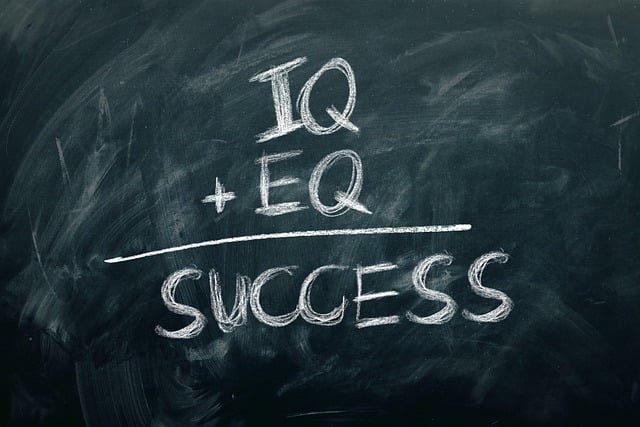
Ask someone to size up a colleague's capability and they'll usually reach for the same parameters: Knowledge, qualifications, experience, and skillset. All the 'resume' bolserting stuff. These are the easiest metrics to measure, so it's the thing we measure.
But there's a second form of intelligence that shapes how a team actually performs, and it rarely shows up on a resume: Emotional intelligence, or EQ. In business, it's often the difference between a group of skilled individuals and a team that genuinely works well together, and as AI takes on more of the technical and knowledge-based work, it's fast becoming the thing that sets teams apart.
Every person on your team processes emotions differently. That difference shows up in how they handle pressure, feedback, conflict, and change. It shapes collaboration, communication and output, which is exactly why EQ deserves a leader's attention.
Why EQ matters more than most leaders think
Emotional intelligence is the ability to understand and manage emotions, both your own and the emotions of the people around you. Individuals with high EQ are self-aware. They recognise what they're feeling, why they're feeling it, and how it lands on everyone else in the room.
Being competent or ‘good on paper’ only gets a team so far. Recent research from Harvard University found that emotional intelligence matters just as much as IQ for group success. In one study, teams with a high-EQ ‘team player’ consistently outperformed what their individual skill levels alone would have predicted, because that person kept everyone else focused and motivated to put in more effort.
The numbers back this up. According to Psychology Today, 90% of top performers in the workplace have high emotional intelligence.
Here's the part that matters most for leaders: IQ is largely fixed over a lifetime. EQ isn't. It grows with willingness to learn and self-reflect, which means leaders have real influence here. Build EQ in a team and you build capability that compounds.
What leaders should actually focus on
Feelings shape how your team functions day to day, and they shape how clients experience your business too. A client's emotional state changes how they read every email, every meeting, every interaction with your brand.
The same logic applies internally, between colleagues, between directors and staff, and across every relationship your business touches: Customers, suppliers, stakeholders, competitors, and networking contacts.
A few things worth putting real time into:
- Reduce negative emotion where you can.Stay level under pressure yourself. Teams take their emotional cues from the top.
- Help people manage stress rather than absorb it silently.Check in before it shows up as burnout or disengagement.
- Make room for difficult emotions to be expressed.A team that bottles up frustration doesn't resolve it.
- Stay productive rather than reactive when something goes wrong. How a leader responds sets the tone for how the whole team responds.
- Support people to bounce back from setbacksand build genuine, trusting working relationships rather than transactional ones.
None of this replaces skill or strategy. But a team with strong EQ executes better, communicates clearer and recovers faster than one running on competence alone. Shift some focus away from pure knowledge and onto emotions and relationships, and the difference in performance shows up quickly.
Want help unlocking EQ in your organisation? It starts by knowing the personality types in the mix – that’s where Tick comes in.
Get 3 FREE TRIALS of our profiles for your organisation.

